Inside the episode
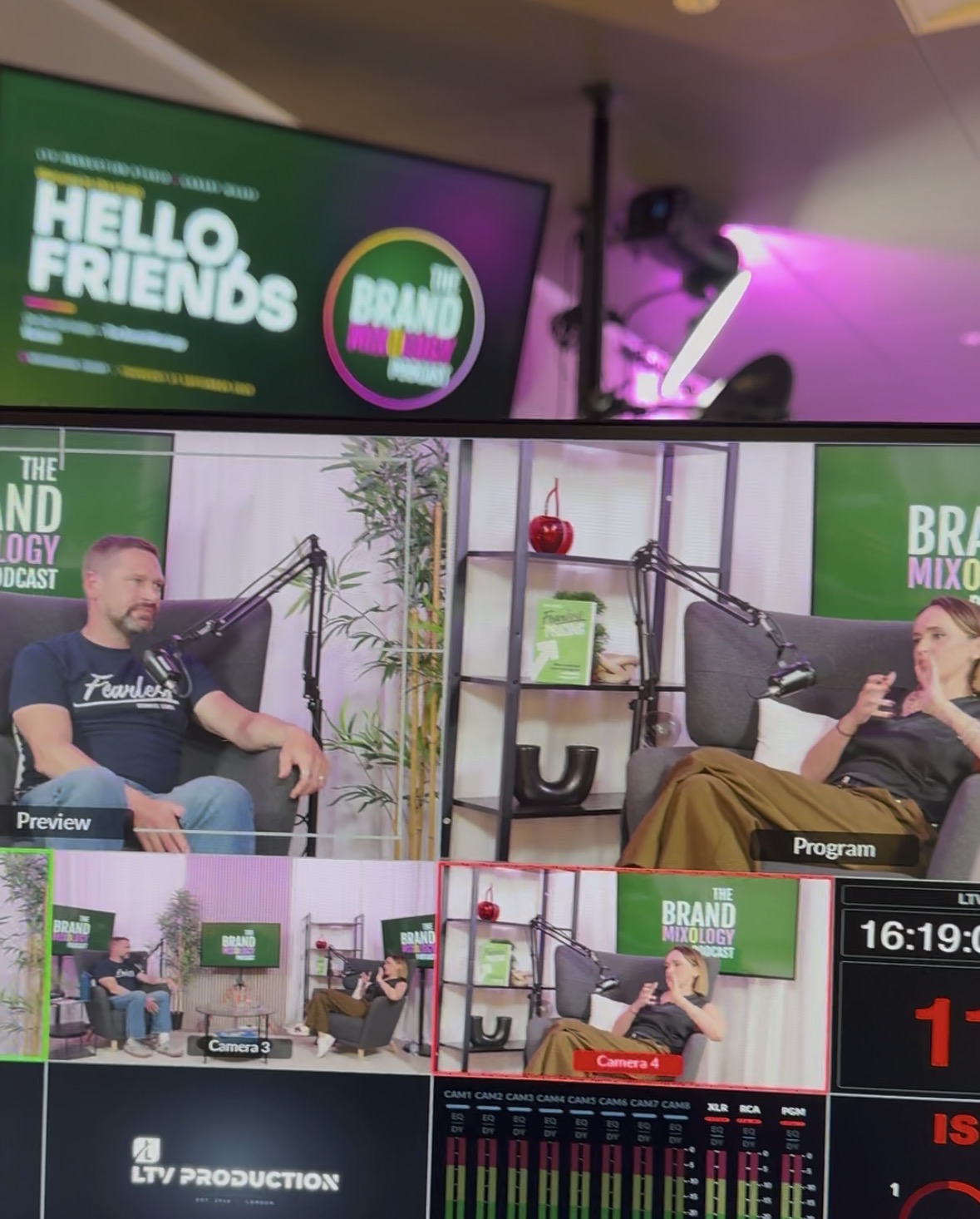
Falling into coaching by accident
Robin spent years running a design and marketing agency in the Cotswolds. Like a lot of founders, he started out doing the work he loved, then slowly became the person juggling staff, clients and cash flow instead. The reason he started got a bit lost along the way.
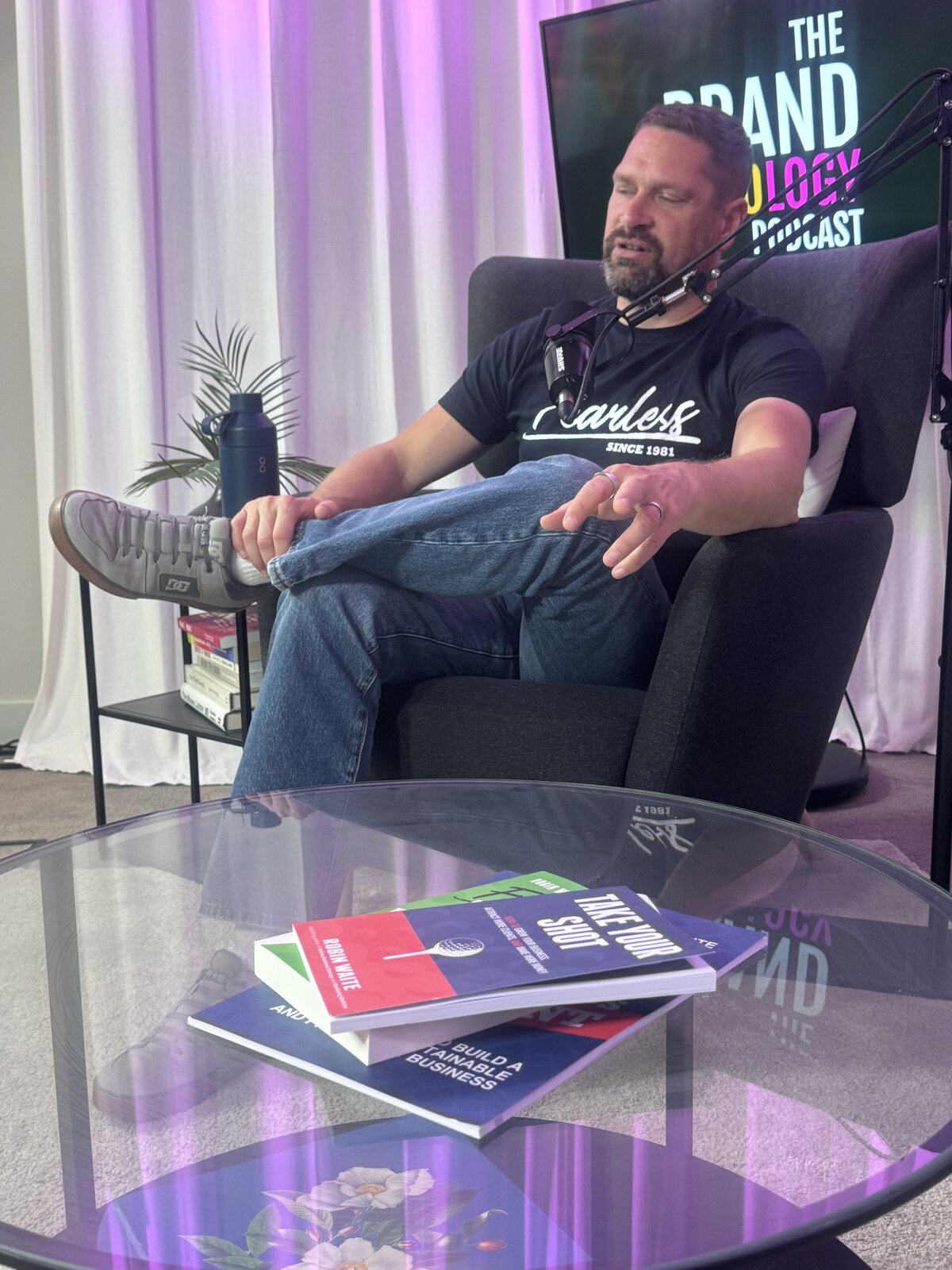
After selling the agency, he didn't set out to become a coach. It happened almost by accident, as people kept asking for his help with pricing and growth. This time he built things differently, around a small number of clients - six to eight at a time - rather than dozens.
The wake-up call at 52mph
Robin is honest about the cost of running on empty. His burnout moment came on a bike, flying downhill at 52mph, when he realised something had to change. It's a story many founders will recognise: everything looks fine from the outside, until it really isn't.
That moment shaped how he works now. Fewer clients, more space and a business designed around the life he actually wants.
Clients pay for speed, not your hours
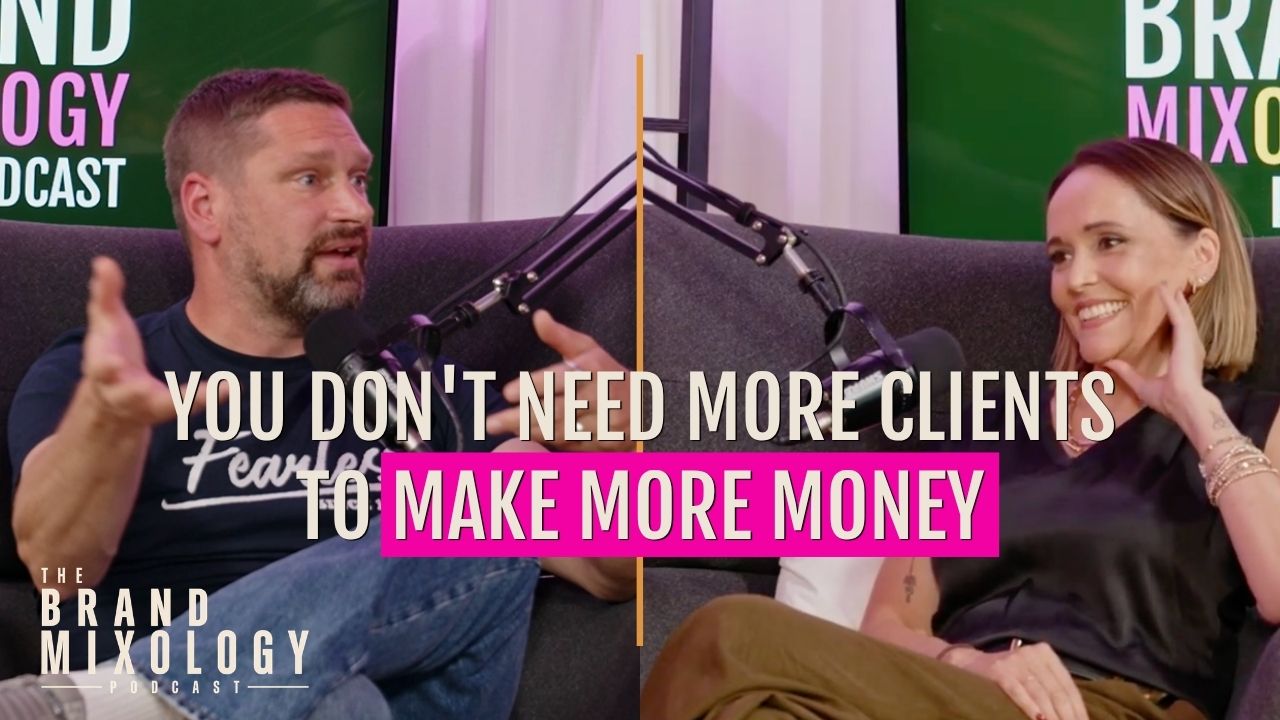
One of the big shifts Robin talks about is moving away from selling time. Charging £100 a session keeps you stuck on an hourly treadmill, and it asks the client to judge you on the clock.
What people really want is the outcome, and to get there faster. When you package your work around that transformation and price it upfront, you stop being compared on hours and start being valued for results.
Escaping the Sales Cycle of Doom
Robin describes the Sales Cycle of Doom that so many service businesses fall into. You sell, you get busy delivering, you stop selling, the work dries up, and then you panic and start selling again. Feast, then famine, on repeat.
A clear, productised offer helps break that loop. When you know exactly what you sell, who it's for and what it costs, selling stops being a scramble and becomes part of how the business runs.
Why an 80% close rate is a warning sign
It sounds like good news when almost everyone says yes. Robin sees it differently. If you're closing around 80% of the people you speak to, it's a strong sign your prices are too low for the value you deliver.
He also explains why a modest price rise can feel like a discount to the right buyers, and why the clients who pay more often value the work more. Claire adds that confidence alone isn't enough - you can be ready to charge ten grand, but if you pitch to the wrong person, it won't land.
Prices on your website, and spotting red flags
Should you show your prices? Claire and Robin talk through both sides. Being open can help the right people self-qualify, but your positioning and message still need to reach the right buyer first.
They also touch on staying close to the people you want to work with, and noticing the early red flags in a client before you say yes. Not every client is a good client, and saying no can be the best business decision you make.
Fearless action in, neediness on ice
For his word in the success shaker, Robin chooses fearless action - moving forward with bold, considered steps rather than waiting for everything to feel certain.
On ice goes neediness. Chasing every client and saying yes to everything puts you in a weaker position. When you don't need the sale, you can price properly and choose who you work with.